
Categories
Uncategorized

The Difference Between Grief Reactions and Grief Responses

25th August 2022

When someone dies, or you lose something extremely important, we can’t control the way we react. Everyone experiences loss in their own unique way, and there’s no predicting how we’ll think, feel, and behave after the event – nor should we think there’s any right way to do it. During my time as a bereavement counsellor in Harrogate and online, I have seen how people often worry about the way they react to grief, or how others may view the way they’ve reacted to the death of a loved one.

How we behave after a death or another loss of some kind can be a subject of great anxiety and scrutiny, which is not helpful, because what happens following a bereavement is complicated, and generally misunderstood. Most people don’t realise that there is a considerable difference between how one reacts to their grief, and how someone responds to the death of a loved one.

In this blog post, then, we will further explore this important distinction between grief reactions and grief responses.


Grief Reactions

When something monumental happens to us, like someone dying, reactions are what happen as a result of that particular event. These reactions are instantaneous and instinctive; they are essentially uncontrollable, coming out as different kinds of thoughts, emotions, and behaviours that are often extremely painful. These reactions are totally normal; we quite literally can’t control them. People are often overwhelmed, or unable to properly express themselves. Some might close themselves off from everyone, demonstrate high levels of anger, or blame themselves relentlessly, ruminating on what’s happened over and over again.


Grief Responses

Once we have reacted to the death of a loved one in our own way, we ultimately embark on a more conscious, deliberate process that can be called a response. That knee-jerk reaction needs to happen, and serves as an important aspect of the grieving process, but the real healing comes with how we choose to respond to the bereavement that has recently happened.

Usually, we have to experience some pain before getting to this stage. A response should come from a place of compassion and curiosity after observing our reactions and seeing the impact they have on our lives. For instance, if you initially closed yourself off as a reaction to someone dying, a healthy response would be to gradually leave your comfort zone and reach out to people who you may not have spoken to for a little while. These responses aren’t always easy, but we do them for the benefit of our mental health.

If you are struggling with a recent bereavement and need help to process your reaction, or feel like you’d like benefit from some help understanding your response to the death of a loved one, I am here to deliver personalised, totally confidential bereavement counselling in Harrogate and online. Feel free to get in touch and ask any questions you might have.

Categories
Uncategorized

Understanding the Unique Challenges of Grief for Men

16th August 2022

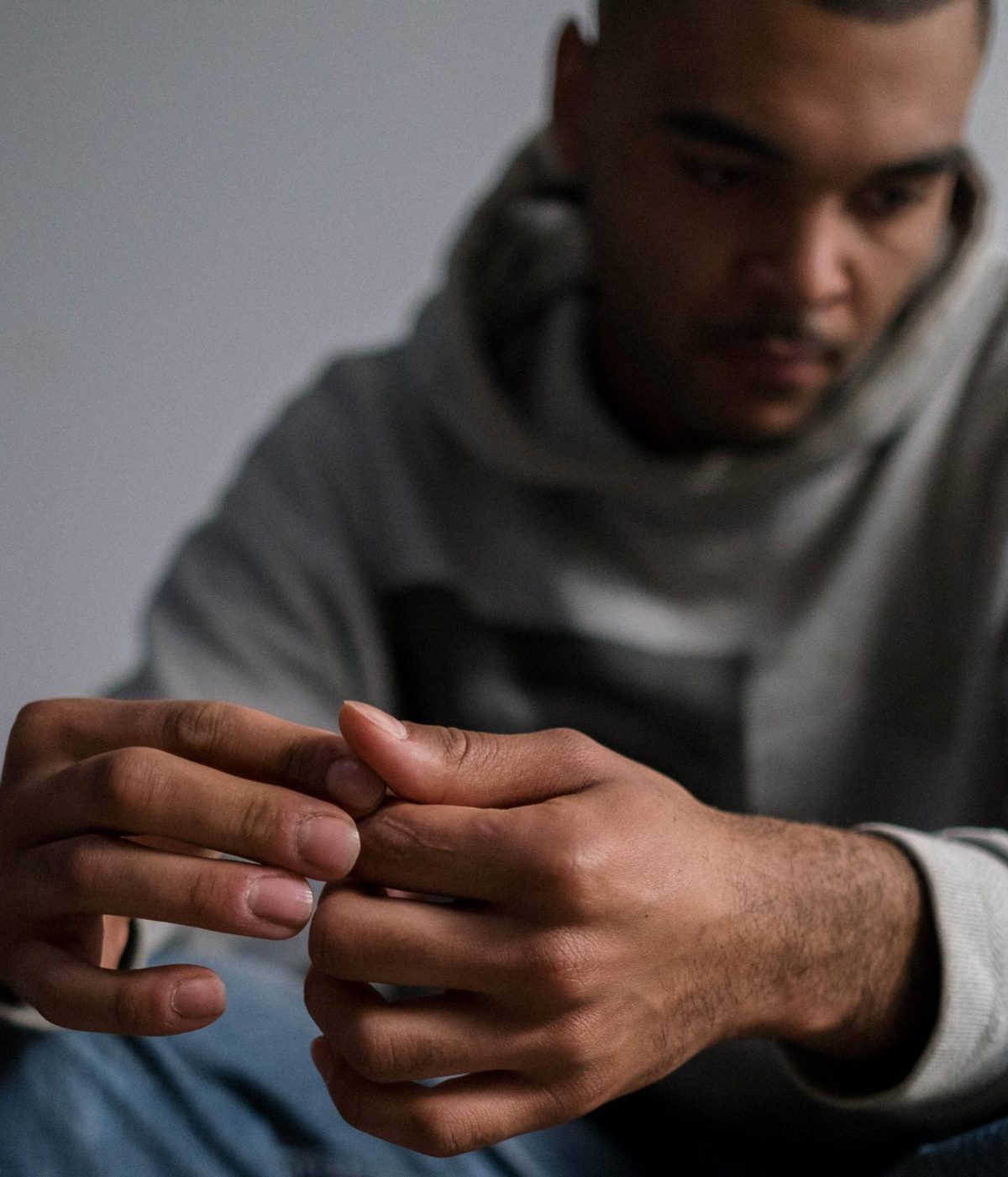
Having worked with many men of all ages during my time as a bereavement counsellor in Harrogate, I know first-hand how difficult it can be for men to process someone dying or losing something particularly important to them. Despite the increase in awareness around men’s mental health in recent years, it is still unfortunately the case that men find it extremely difficult to properly open up – even to therapists like myself.


The grieving process is a deeply complicated, personal one, and this is especially the case for men who have always struggled to articulate their thoughts and feelings. The road to a better place can be long; often we don’t understand how best to help men on this journey. To increase awareness of men and the grieving process, this blog post looks at a couple of features of male grief that we should understand better.

Anger

Of course, anger is by no means exclusive to men, but this emotion does present itself often with men who have recently suffered a painful loss of some kind. It can seem, from the outside, that the man is just being unpleasant as a way of showing authority, gaining control over a situation.

The truth is that anger is far more complex than that. When we don’t have the words to articulate our true feelings, when we’ve never been given the space to vocalise how we genuinely feel, what ends up spilling out is anger. It is a sign that someone can’t put something into words, for whatever reason. Giving men the space to talk things through, in their own time and in their own way, is therefore very important.

Isolation

When it comes to male grief, an even more common phenomenon than anger is isolation. This problem extends far beyond bereavement; it is something that men struggle with the world over, compounding mental health issues like depression, low self-esteem, addiction, or anxiety.

There is a strong tendency among men to shut off their feelings and keep everyone at arm’s length. This is seen often within the context of the family unit, where the man has to “stay strong” for the rest of the family, at the expense of their own wellbeing. This becomes a pattern, where men automatically keep thoughts to themselves and become marooned on an island of their own repressed emotions, which ultimately spill out in some other way, such as addiction, violence, or even suicide.


If you are a man who has recently suffered a bereavement and feel alone with your emotions, or unable to express them, I am here to provide a space where you can explore these feelings at a time and pace that suits you. To learn more about my confidential bereavement counselling in Harrogate and online, please do get in touch via phone or email.

Categories
Uncategorized

The Best Books and Movies About Grief

7th August 2022

The subject of someone dying, or losing someone or something important, has always been a popular theme in literature and film. If you have recently suffered a bereavement of any kind, it may feel like delving into books and media around the subject of grief is the last thing that you want to do, and that’s fair enough.

Others, however, take great comfort and even lessons from the depiction of grief through the page or screen. During my time as a bereavement counsellor in Harrogate and online, I have seen this often: people learning something new, or seeing grief from a different angle, or simply feeling seen, after watching or reading something produced by a person they’ve never met – such is the beauty of the arts.

And so, if you are grieving and feel like perhaps watching or reading something on the subject might help, here are some recommendations.

Books

A Grief Observed, by C.S. Lewis (1961)

Written by C.S. Lewis, famous for his Chronicles of Narnia books, A Grief Observed is one of the most famous pieces of writing on grief. His wife, Joy, was dying when they married, and after her death he wrote a series of meditations on the sensation of grief, and how it fits into someone’s life. Despite being over 60 years old now, the words are universal – something anyone can relate to, no matter what stage of grief they are in.

H is for Hawk, by Helen Macdonald (2014)

Unlike the above, this book isn’t explicitly about grief, but more how one copes with it. The narrative follows Helen, the protagonist, who loses her father. She decides to train a goshawk, and the book becomes a powerful example of how one can use creativity and other forms of expression as a way of processing their grief.

Movies

The Babadook (2014)

A truly thrilling, cutting psychological horror, The Babadook is essentially a film about denial, loneliness, and ultimately acceptance. The film follows a widowed mother, who refuses to listen to her son’s claims that a monster has escaped from a children’s book and now haunts their lives from a basement. That process of acknowledging the monster and accepting it, as is the case in this film, acts as an extremely accurate allegory for how we process someone dying.

Ordinary People (1980)

Ordinary People is a classic film about grief. It follows the main protagonist, Conrad Jarret, through trying to commit suicide following the death of his brother to seeking reconnection with his family through the help of a psychotherapist. This film is particularly useful for grief because it covers so many of the emotions that come up within the family unit, such as guilt, anger, depression, denial, anger, loneliness, and confusion.

You might not be ready to watch or read something about grief, however, and that’s perfectly okay. Everyone grieves in their own way, at their own pace, and I am here to help you along that process through confidential bereavement counselling in Harrogate and online. Give me a call whenever you like to arrange our first session.